Why Timing Matters for Concrete Pouring in Missouri
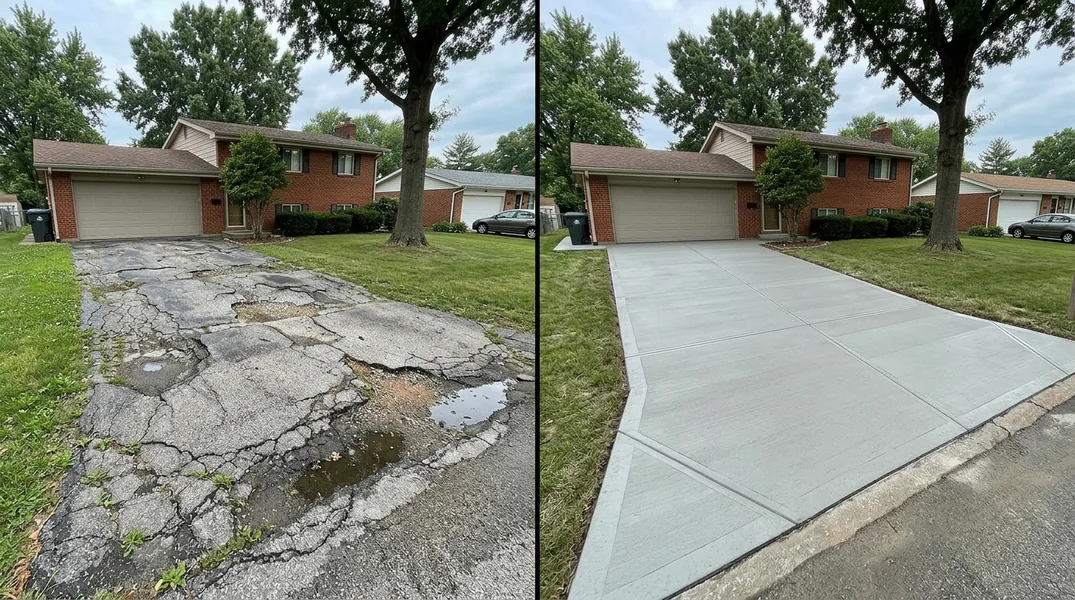
When you're planning a Concrete Driveways project in St. Louis, the timing of your pour can make or break the final result. Many homeowners assume that concrete can be poured anytime during the year, but the reality is far more nuanced. Temperature, humidity, and weather conditions all play critical roles in how your concrete cures and performs over time. A poorly timed pour can lead to cracks, weak spots, and premature deterioration that could cost thousands in Concrete Repair and Resurfacing down the road.
The concrete curing process is a chemical reaction that requires specific conditions to happen properly. When temperatures drop too low, this reaction slows dramatically or stops altogether, leaving your concrete vulnerable. Conversely, if it's too hot and dry, the concrete can cure too quickly, creating internal stress and surface cracks. Understanding these dynamics is essential for any homeowner considering a concrete project in the St. Louis area. That's why working with an experienced St. Louis Concrete contractor who understands local conditions is so valuable.
Spring: The Prime Season for Concrete Projects
Spring, typically from mid-April through May, is widely considered the ideal time to pour concrete in Missouri. During these months, daytime temperatures in St. Louis generally range between 60 and 75 degrees Fahrenheit, which is perfect for concrete curing. The soil is warming up after winter, but it's not yet scorching hot, creating a stable environment for your concrete to set properly. Spring also tends to offer moderate humidity levels, which helps prevent the concrete from drying too quickly on the surface while the interior is still curing.
Another advantage of spring pouring is that you'll have the entire summer and fall for your concrete to fully cure and strengthen before winter arrives. This extended curing period means your driveway or Concrete Patios will be much more resilient when freeze-thaw cycles begin in late fall and winter. Spring projects also align well with typical home improvement schedules, so contractors are often more available and can dedicate proper attention to your job. If you're considering a spring pour, now is the time to reach out to St. Louis Concrete at (314) 916-1279 to schedule your free estimate.
Summer Pouring: Benefits and Challenges
Summer might seem like an obvious choice for pouring concrete, given the warm temperatures and longer daylight hours. From June through August, St. Louis experiences consistently warm weather that technically supports concrete curing. However, summer comes with its own set of challenges that can complicate your project. The intense heat and low humidity can cause concrete to cure too rapidly, especially on the surface, which leads to shrinkage cracks and uneven strength development between the surface and the interior.
If you do decide to pour concrete in summer, extra precautions are necessary. Contractors may need to use specialized techniques like misting the concrete surface or covering it with wet burlap to slow the curing process and prevent rapid moisture loss. The concrete may also require more frequent watering during the first few days after pouring. Additionally, summer heat can make the work uncomfortable and physically demanding for the crew installing your driveway or Stamped and Decorative Concrete features. While summer pouring is possible, it requires a contractor with experience managing heat-related curing challenges.
Cold Weather Concrete Curing: Why Fall and Winter Are Risky
As temperatures drop in fall and winter, the concrete curing process becomes increasingly problematic. Once nighttime temperatures consistently fall below 50 degrees Fahrenheit, concrete curing slows dramatically. When temperatures approach freezing (32 degrees or lower), the chemical reaction that hardens concrete nearly stops entirely. This is a critical concern in Missouri, where fall can bring rapid temperature swings and winter regularly dips well below freezing. If concrete hasn't fully cured before freezing temperatures arrive, water in the concrete can freeze and expand, causing internal damage that weakens the entire structure.
The freeze-thaw cycle is particularly destructive to improperly cured concrete. Water seeps into microscopic pores in the concrete, freezes, expands, and creates tiny cracks. Over multiple winter cycles, these cracks grow larger and allow more water penetration, eventually leading to significant deterioration and spalling (where chunks of concrete break away from the surface). This is why pouring concrete in November through March is generally not recommended in the St. Louis area. If you absolutely must pour concrete during colder months, special additives, heated enclosures, and extended curing times are necessary, which can substantially increase your project pricing.
Late Summer and Early Fall: A Secondary Window
While spring is ideal, late August and early September can offer a secondary window for concrete pouring in Missouri. At this point, summer heat is beginning to moderate, but temperatures are still warm enough for proper curing. The key advantage of this timing is that your concrete will have several weeks of warm weather to cure and strengthen before the first hard freeze typically arrives in late October or November. This gives your driveway or patio enough time to develop adequate strength to withstand winter conditions.
The challenge with late summer and early fall pouring is predicting the weather. Missouri's fall season can be unpredictable, with sudden cold snaps arriving earlier than expected. Before committing to a late-summer pour, it's wise to consult with an experienced St. Louis Concrete contractor who can assess the forecast and advise whether conditions will cooperate. A professional contractor has the knowledge to evaluate whether your timeline will work and can explain the risks involved. If you're considering this window, contact St. Louis Concrete at (314) 916-1279 to discuss your specific project timeline and get expert guidance.
Planning Your Concrete Project: What to Do Now
The best approach to a successful concrete project is to plan ahead with seasonal timing in mind. If you're thinking about pouring a new driveway, patio, or any other concrete work, aim to schedule your project for spring or early fall. This gives you the best chance of proper curing and long-term durability. Start by getting a professional assessment of your property and project scope. A qualified contractor can evaluate site conditions, soil drainage, and your specific needs to recommend the optimal timing and approach.
Don't wait until you're in the middle of an inconvenient season to start planning. Reach out to St. Louis Concrete today at (314) 916-1279 or visit our website at https://st-louis-concrete.com to schedule your free estimate. Our team has years of experience working with St. Louis homeowners and understands the unique weather challenges of our region. We can help you plan your project for the ideal season, discuss your options for timing, and ensure your concrete investment lasts for decades to come. Whether you're in Kirkwood, Webster Groves, Chesterfield, or anywhere in the greater St. Louis area, we're ready to help make your concrete dreams a reality.
Looking for a professional concrete contractor in St. Louis? St. Louis Concrete responds fast for all your concrete needs.
Get a Free QuoteOur services: Concrete Driveways · Concrete Patios · Stamped & Decorative Concrete