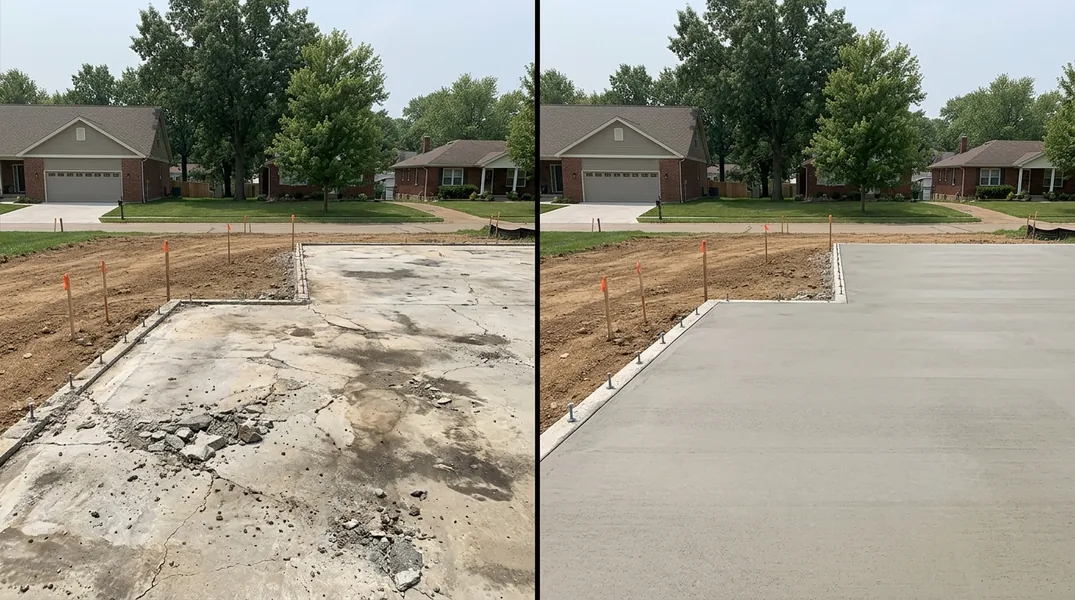
Understanding New Construction Concrete Slabs in St. Louis
Purchasing a new home is one of the biggest investments you'll make, and understanding the concrete foundation beneath your feet is critical. Many homebuyers focus on cosmetic features, square footage, and neighborhood appeal, but the quality of your new construction concrete slab in St. Louis can impact your home's longevity, structural integrity, and resale value for decades to come.
A concrete slab serves as the foundation for your entire home. It's what prevents moisture from seeping into your basement, what supports the weight of your walls and roof, and what keeps your living spaces level and stable. In the St. Louis area, where soil conditions and seasonal weather patterns can vary significantly, the quality of this foundation becomes even more important. Before you sign closing papers, you need to know what to look for and what questions to ask your builder or inspector.
Common Issues Found in New Home Foundation Inspection Missouri
Even brand new construction can have concrete slab problems that aren't immediately visible to the untrained eye. One of the most common issues is improper slope or grading, which prevents water from draining away from your foundation. If your slab doesn't slope correctly, water can pool around your home's perimeter, leading to basement flooding, mold growth, and structural damage over time. During a new home foundation inspection in Missouri, a qualified inspector will check the slope using specialized tools and look for signs of water damage or moisture intrusion.
Another frequent problem is inadequate or improperly installed vapor barriers. The vapor barrier sits beneath your concrete slab and prevents ground moisture from rising into your living spaces. If this barrier is missing, torn, or poorly installed, you may experience damp basements, efflorescence (white salt deposits on concrete), and even structural issues. Cracks in the concrete itself are also common in new construction. While some minor hairline cracks are normal as concrete cures, larger cracks or cracks that appear in patterns may indicate settling issues, poor concrete mix design, or inadequate reinforcement. A professional inspector will assess whether cracks are cosmetic or structural concerns that need attention before you close on your new home.
What to Look for During Your Basement Slab New Build Walkthrough
Before closing day, schedule a final walkthrough of your new home, and pay special attention to your basement slab new build conditions. Bring a flashlight and wear appropriate clothing so you can get down and inspect the concrete surface thoroughly. Look for any visible cracks, spalling (flaking or peeling concrete), or areas where the concrete appears discolored or damp. Check the perimeter of the slab where it meets the foundation walls for signs of water seepage or efflorescence, which appears as white or gray crystalline deposits.
Pay attention to the overall levelness of your basement floor. Walk across the slab and notice if you feel any slopes, dips, or uneven areas. While some variation is normal, significant unevenness can affect how your finished basement functions and may indicate underlying settlement or construction problems. Examine any penetrations in the slab, such as where plumbing or electrical lines enter the concrete. These areas should be properly sealed to prevent water and pest intrusion. If you notice standing water anywhere on the slab or wet spots, this is a red flag that demands immediate investigation and correction before you take possession of the property.
Questions to Ask Your Builder About New Build Concrete in St. Louis
Knowledge is power when you're evaluating a new construction home. Before closing, sit down with your builder and ask specific questions about the concrete slab. Ask about the concrete mix design, including the PSI (pounds per square inch) rating, which indicates the strength of the concrete. Ask whether reinforcement was used, such as rebar or wire mesh, and what type. Find out about the vapor barrier specifications and confirm it was installed beneath the entire slab. Request documentation showing that the slab was properly graded and sloped for drainage, and ask about any settling or movement that occurred during or after the pour.
Inquire about the curing process and how long the concrete was allowed to cure before the home was closed up and finished. Proper curing is essential for concrete strength and durability. Ask whether any cracks have appeared and, if so, what the builder's plan is to address them. Finally, ask about the builder's warranty coverage for the concrete slab and foundation. Understanding what is and isn't covered by warranty will help you know what to expect if problems arise after closing. Don't hesitate to request a copy of the construction documentation and inspection reports related to the concrete work.
When to Hire a Professional Foundation Inspector
While a visual walkthrough is important, hiring a licensed professional home inspector who specializes in foundations is one of the smartest decisions you can make before closing on a new home. A qualified inspector has the training, experience, and tools to identify problems that homeowners often miss. They can perform moisture testing, check for proper drainage, assess concrete strength, and evaluate the overall condition of your slab and foundation system. The cost of a professional inspection is minimal compared to the potential expense of repairing foundation problems down the road.
If an inspector does identify issues with your new construction concrete slab, you'll have documentation and professional recommendations to present to your builder. Many builders are willing to address problems before closing rather than face potential liability issues later. In some cases, issues may be serious enough to affect your purchase decision or require price adjustments. Having professional documentation gives you leverage in these negotiations and protects your investment.
Protecting Your Concrete Investment After Closing
Once you've closed on your new home and thoroughly inspected the concrete slab, your responsibility to protect that investment continues. Proper maintenance and care of your concrete foundation will extend its lifespan and prevent many common problems. Keep gutters and downspouts clean and ensure they direct water at least six feet away from your foundation. Maintain proper grading around your home so water slopes away from the structure. Monitor your basement for any signs of moisture, and address any water issues immediately before they become major problems.
If you notice cracks developing in your concrete slab or foundation after closing, don't ignore them. Small problems are much easier and less expensive to address than large ones. Consider having any new cracks evaluated by a professional to determine whether they're cosmetic or structural. If you need Concrete Repair & Resurfacing services for your new home's foundation or basement slab, the team at St. Louis Concrete can help. We have experience working with new construction properties and can assess and repair any concrete issues to ensure your foundation remains strong for years to come. Contact us at (314) 916-1279 or visit our website to request a free estimate for any concrete concerns with your new home.
Looking for a professional concrete contractor in St. Louis? St. Louis Concrete responds fast for all your concrete needs.
Get a Free QuoteOur services: Concrete Driveways · Concrete Patios · Stamped & Decorative Concrete